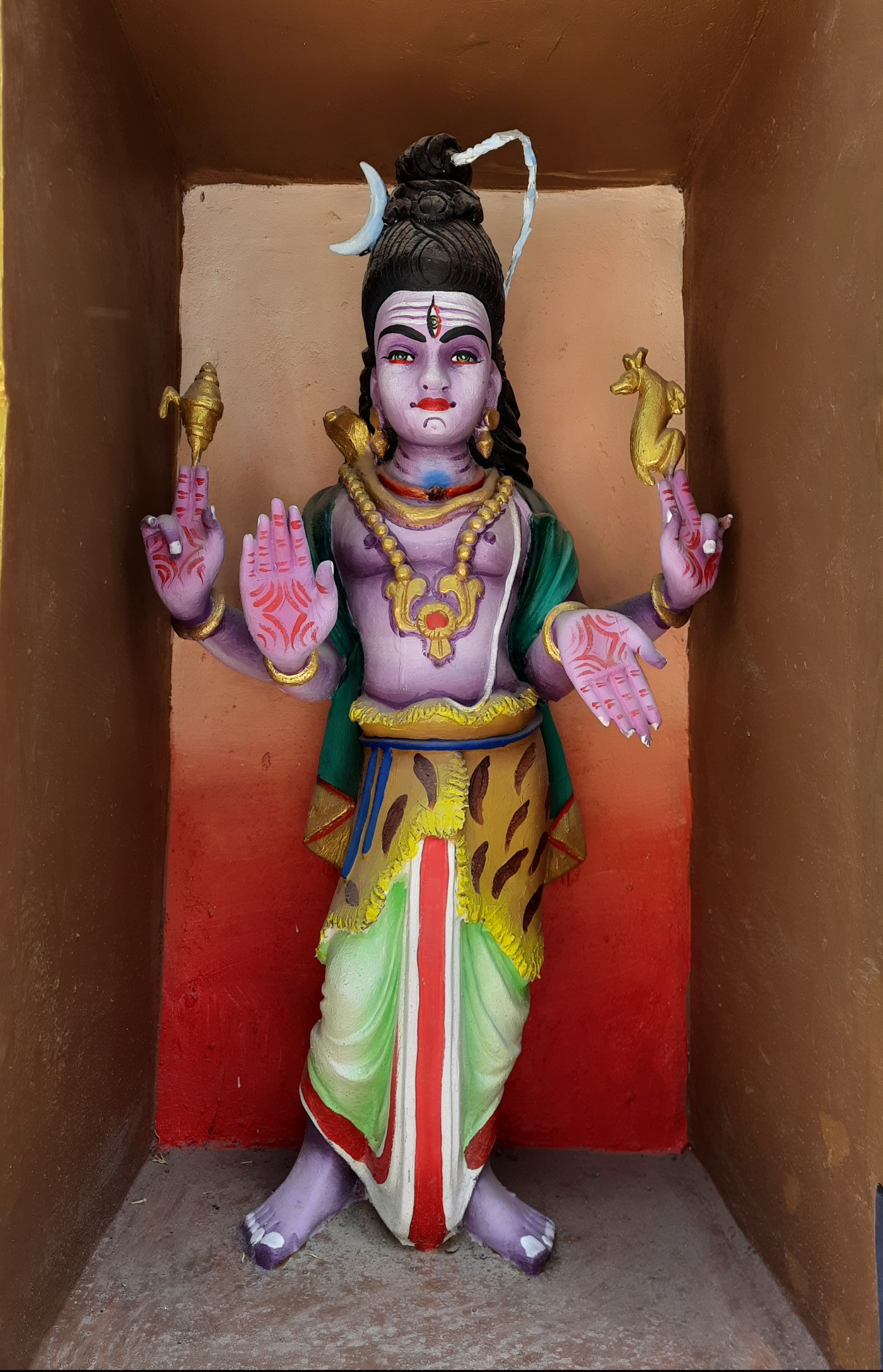
The Hindu tradition reaches unimaginable heights of exploration in every sphere of activity, a crowning jewel of which is the temple. What appears to be a place that is often criticized for the “excessive use of milk and flowers” is in fact a hallmark achievement in man’s endeavour of understanding the energy of the universe and its role in his pursuit of self-realization or the quest for truth.
The recent Pratishtapana Puja at S-VYASA University gave me an unprecedented view of the making of God-yes, the ‘making’ of a God- and the fundamental purpose of the temple. For three days the air was rent with the atmosphere of celebration. Vedic chanting, elaborate homas (fire rituals), chanda mela (auspicious drumming), nadaswaram (music), spiritual talks, nama sankeertana (singing the name of God) and cultural events-the collective consciousness was centred around the arrival of a new diety on campus: Sri Yoga Dakshinamurthy.
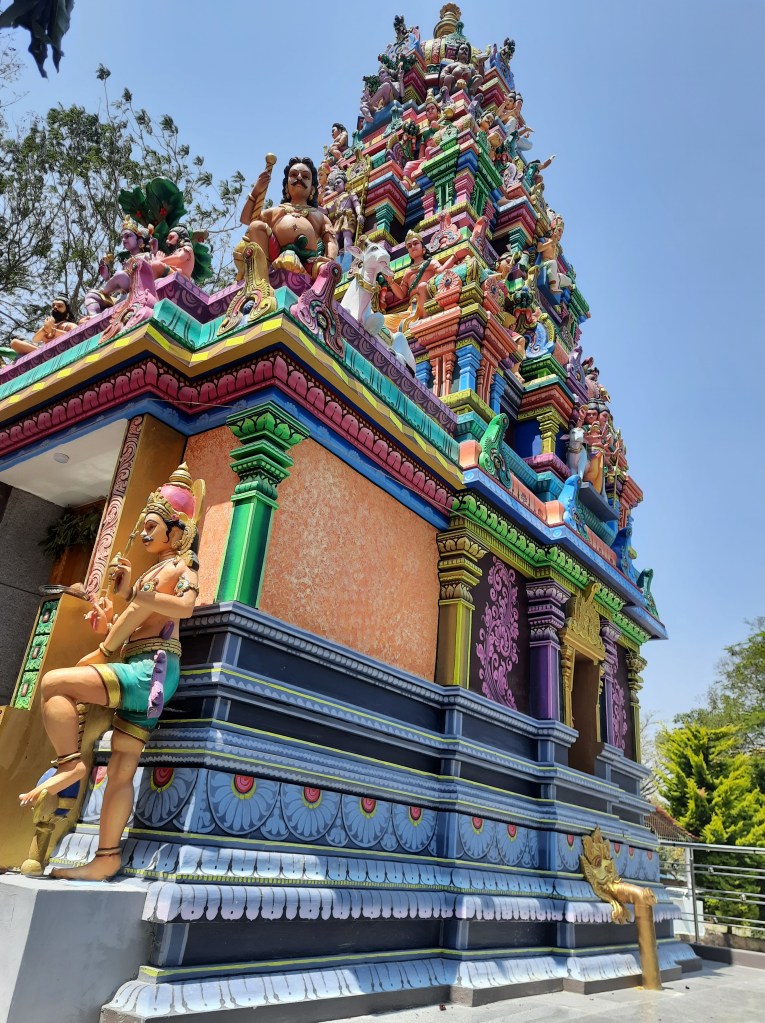
Dakshinamurthy is considered the Guru of Gurus, one who imparts the highest knowledge of Bramha Vidya, or knowledge of the self. He is worshipped by the Sanakaadi Rshis who are the most exalted sages in the Vedic tradition.
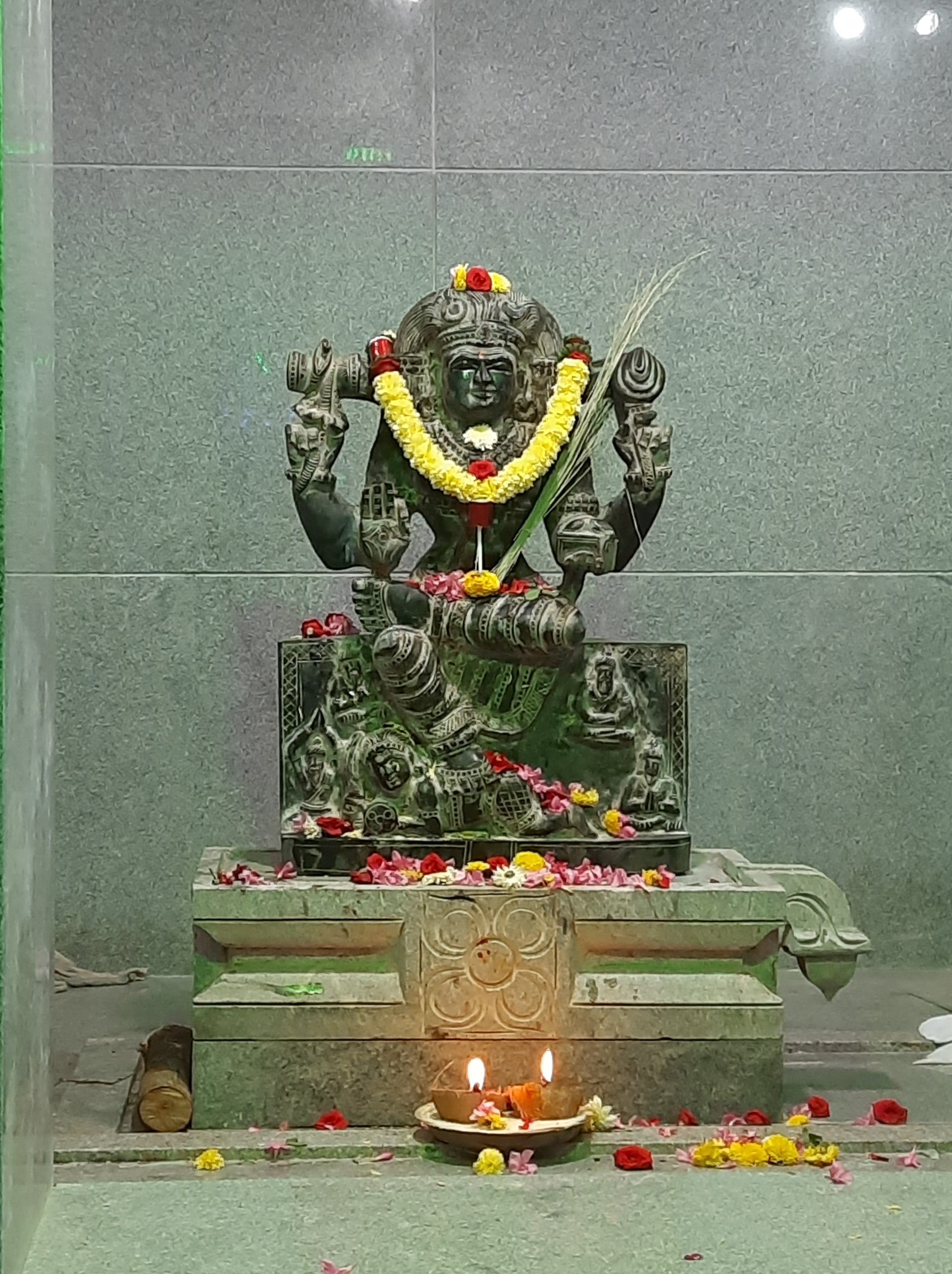
The process of the formless universal consciousness being brought to form and made to inhabit a stone sculpture is a radical concept in itself and is the crux of every pratishtapana (establishment) of every diety in every temple across India and wherever such temples exist. It is a process of invoking the all-powerful, all-encompassing Godhood for a specific purpose desired by man. In the case of Sri Dakshinamurthy, the purpose is self-realization. In the case of Ganapathi, it would be the removal of all obstacles in one’s path towards inner-fulfilment. The establishment of a Devi, or Goddess such as Kali or Durga ensures the warding off of all negative forces and establishing the fierce protection of a mother. Larger temples have sections for a number of deities in order to fulfil the unlimited desires of man for his upliftment from those desires. Learned sages and exalted devotees also installed in the temple as they set a human example for us to follow, lifting us from the current state of mind to a freer one.
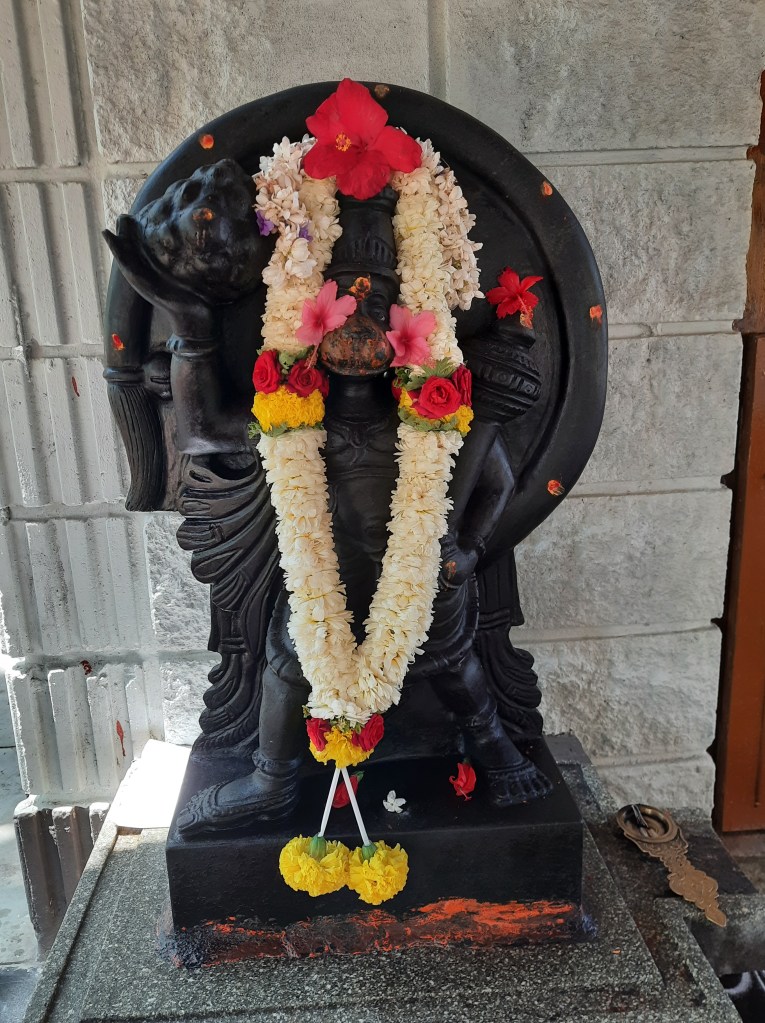
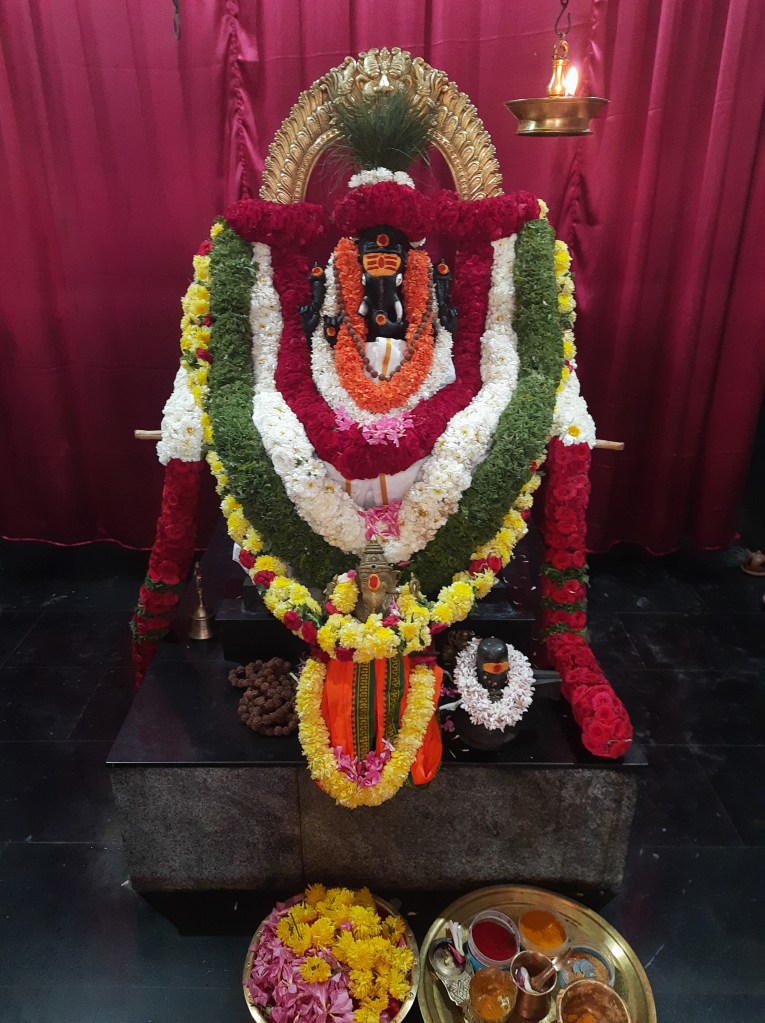
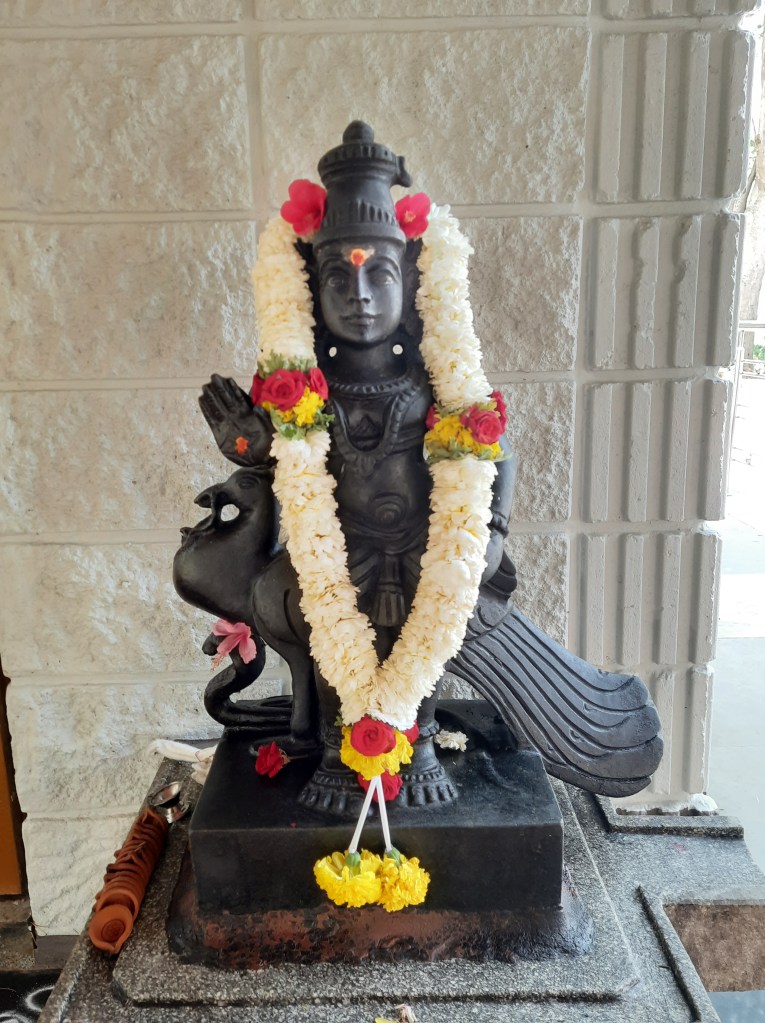
Temple halls resonate with the vibrations caused by mantra chanting (even if chanting is not taking place at the time) and the collective thought process is one of surrender to a larger force than oneself. This combination of mantra, vadya (instruments) and sharanagati removes the negative, burdensome tendencies of a wavering, confused mind and allows one to see the daivam (or divinity of the Lord he is worshipping) within himself. This is the purpose of the temple and over the course of the three days, the entire proceedings focused on the removal of that which is impure and unnecessary for one’s spiritual upliftment and the establishment of auspiciousness for the welfare of oneself, the country and the world.
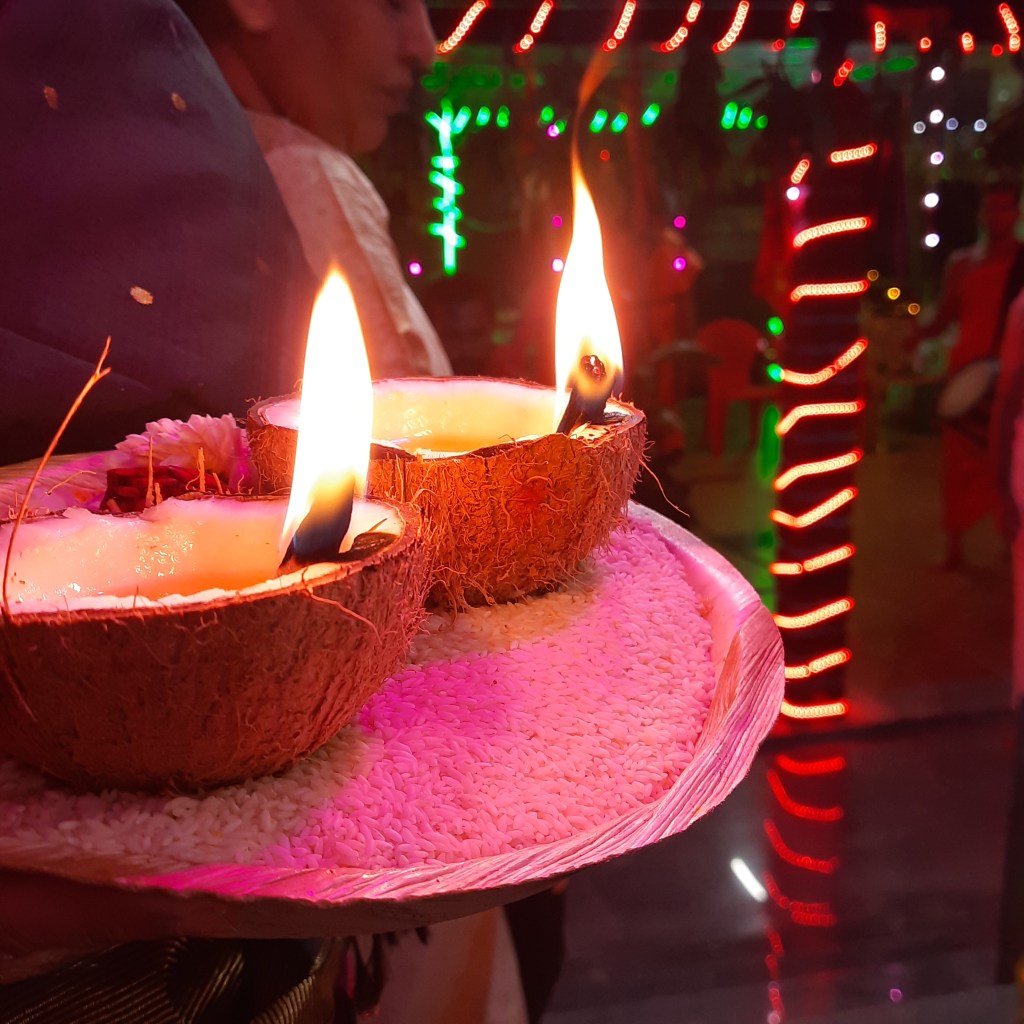
The sankalpa (wish) made at the time of the pratishtapana included a desire for Dakshinamurthy to bless all with increasing devotion brought about by knowledge, intellect, discerning capacity, strength, the ability to remain focused and a life of peace and happiness devoid of a sense of limitation. The prayer asked Dakshinamurthy to be firmly established in this place and bless us as we offer our prayers to him.
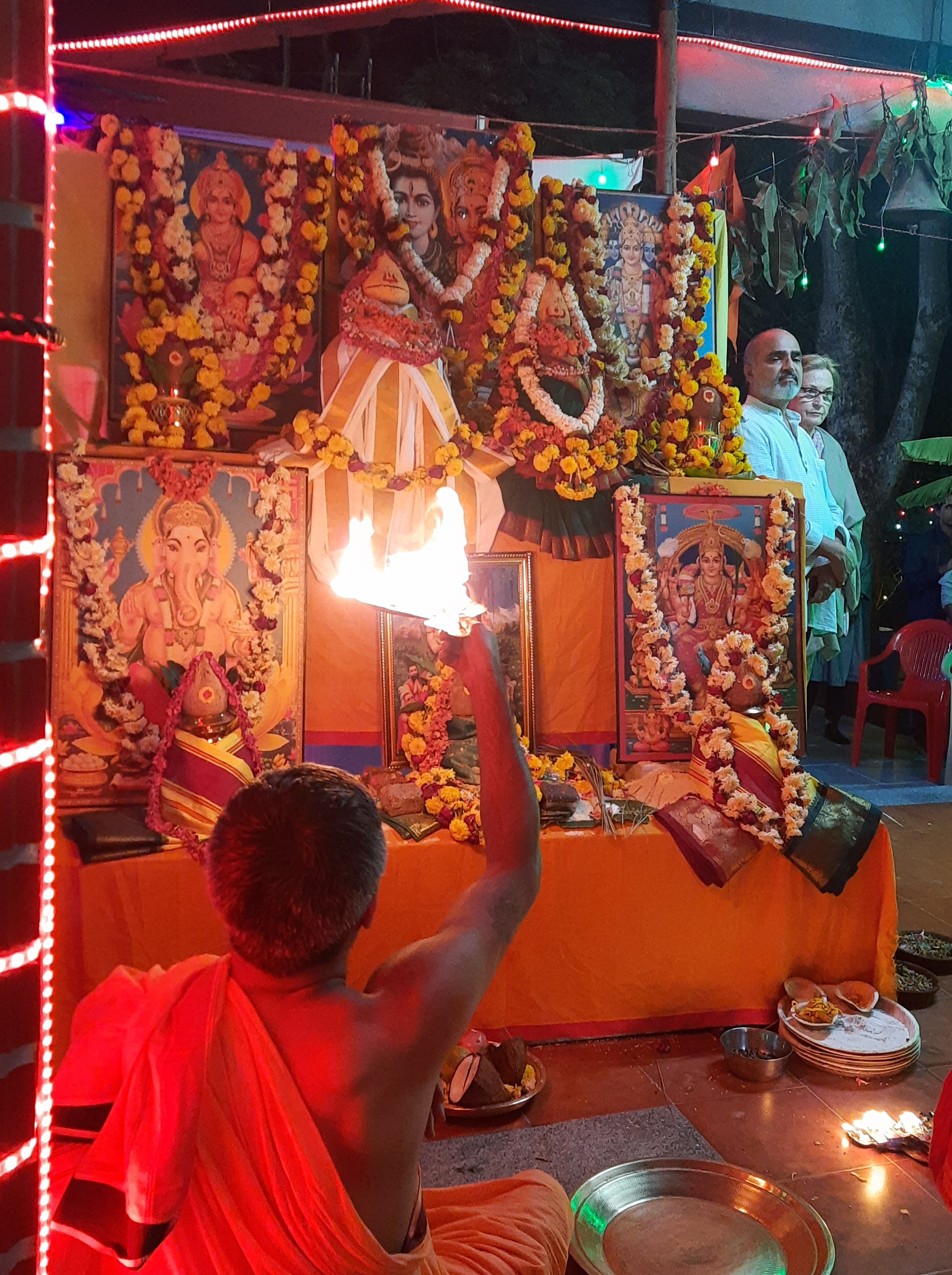
Rituals began as early as 4:30am and ended around 10pm with sufficient breaks in between for rest and meals, or the parallel activities organized by S-VYASA. The pujaris worked tirelessly around the clock. The atmosphere was reverberating with an uplifting energy and there was so much for the senses to take in. The visuals of the elaborate fire rituals with large flames and a variety of herbs and roots offered, the array of colourful Gods set up as witnesses to the event, the impressive pujari who commanded everything with such care and precision, the incredible team of pujaris who carried out the entire proceedings without pomp or show, the sonorous chanting of mantras, the exhilarating drums, the smell emanating from the fire rituals, there was so much happening at any given time that there was no chance for the mind to get distracted. There was no desire to look down at messages on the phone or upload stories. The mind was completely absorbed in the present.
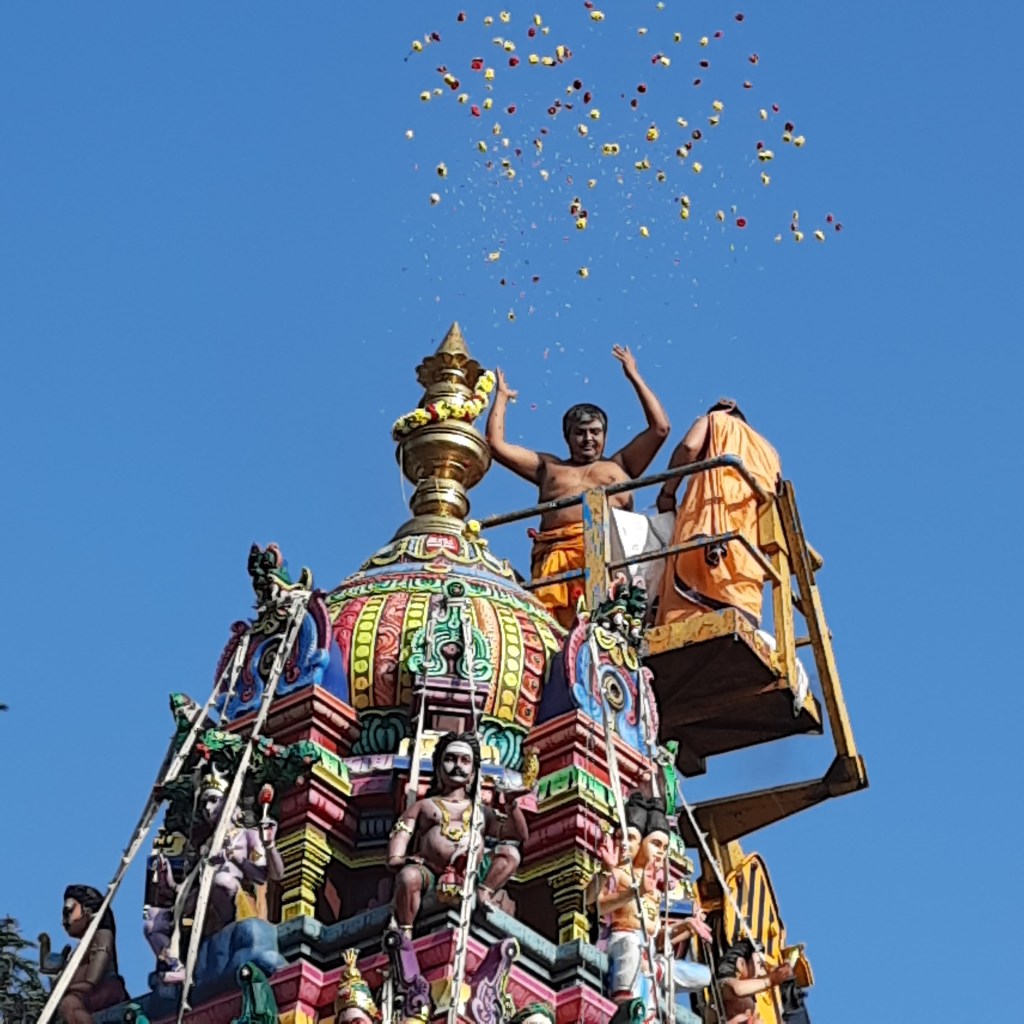
It was at this time that I had a glimpse, for a few moments, of the goodness that lies within. That when all else is removed-all the frustration, anger, resentment, lust, greed, when all the layers upon layers of confusion-causing elements are removed, there lies uninterrupted goodness. For a fraction of a moment I wished ill of nobody and experienced that which every scripture talks about but was a mere word to me before: swaroopananda-the nature of oneself as goodness, bliss, love and that this is the truth of oneself. It became obvious, just as the scriptures also say, that this cannot be something that is “achieved” by studying or performing puja or engaging in any activity. One cannot “become” what one already is. It is not a process of becoming, but a process of removing that which does not allow you to see what is, and then establishing yourself in what you truly are. Everything else will still exist, will still continue to be there but one will remain unaffected once established in truth. All the religious activities, all sadhanas are attempts to remove the layers upon layers of confusion we place upon our swaroopa and being established in swaroopa is the birthright of every being. Swaroopa must reveal itself from the depths where it was ever-present, but was covered by pre-occupations of the mind. It is to be experienced, seen and understood as the reality of oneself and that upon this, all else is superimposed, including the “Godhood” inside the stone.
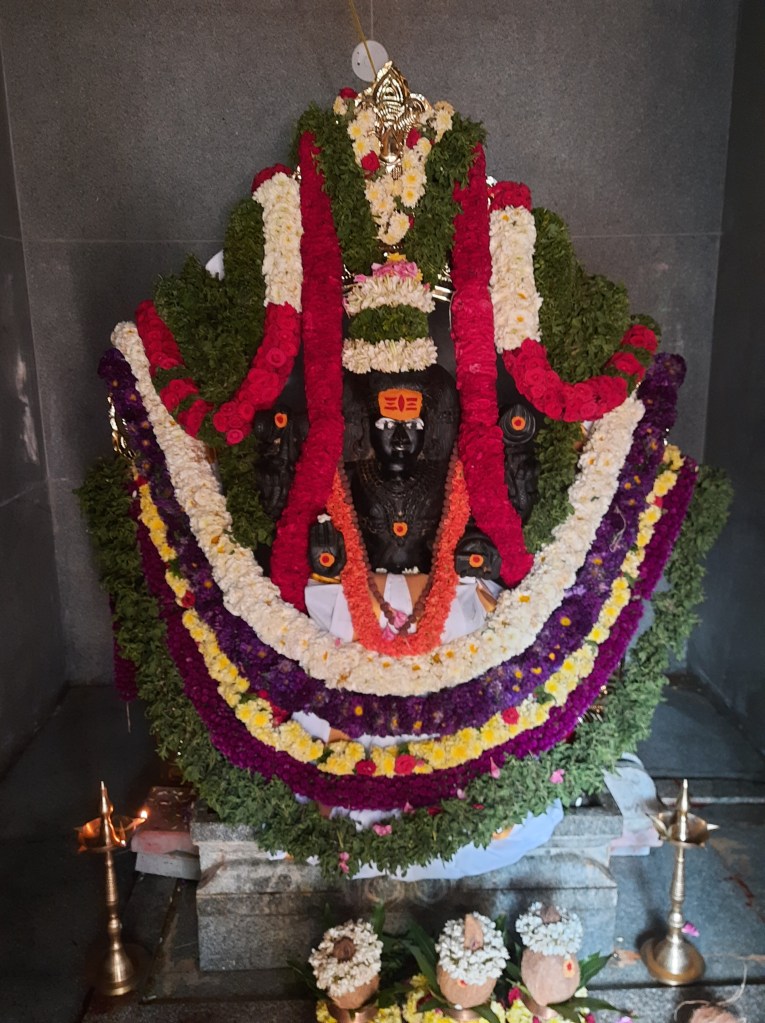
Many cultures claim that God made man in his image, but here, man makes God in his image. This process of humanizing and deifying a stone sculpture was explained to me by Sri Narayana Bhatt of Svarnavali Matt who is an exponent of the Agama Shastras. He described all of the rituals which took place over the three days, the details of which will be described in a subsequent article.
I offer my sincere pranams to Guruji Dr. HR Nagendra, Nagaratna Aunty, Raghuramji, Lata Aunty and Venkatram Uncle and S-VYASA for always giving me a warm welcome, a home and unlimited parental love and affection. Thank you for making me your child.
 beneath a banyan
Om! Thanks for your colourful virtual tour of the event – presentation is effective & meaningful making the reader feel physically present at the event! “All what you see outside is the world of your own thoughts; that which makes you think is your true nature…negate the thoughts and just Be!”
LikeLike
Thank you for your beautiful words, Swamiji.
LikeLike